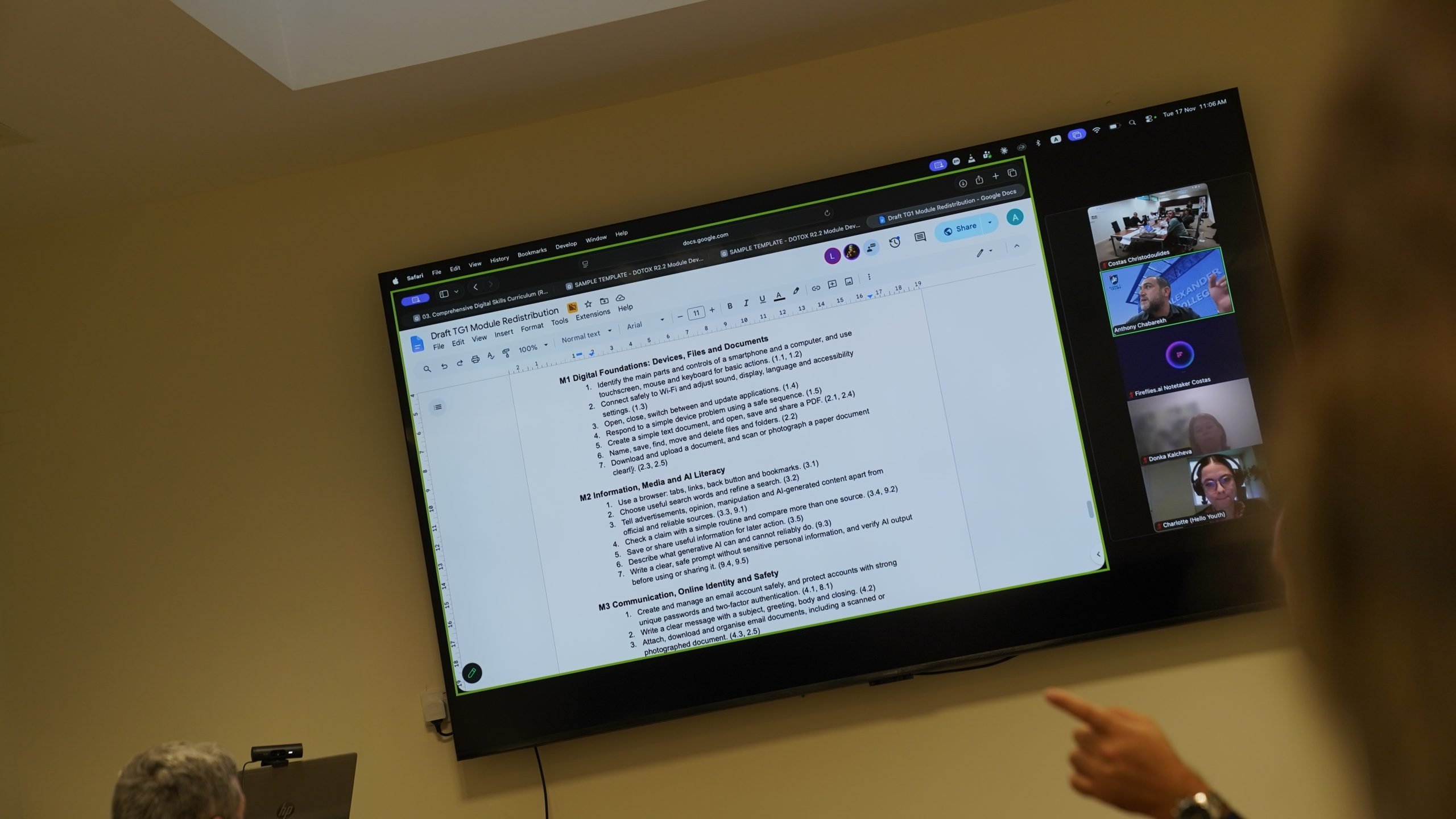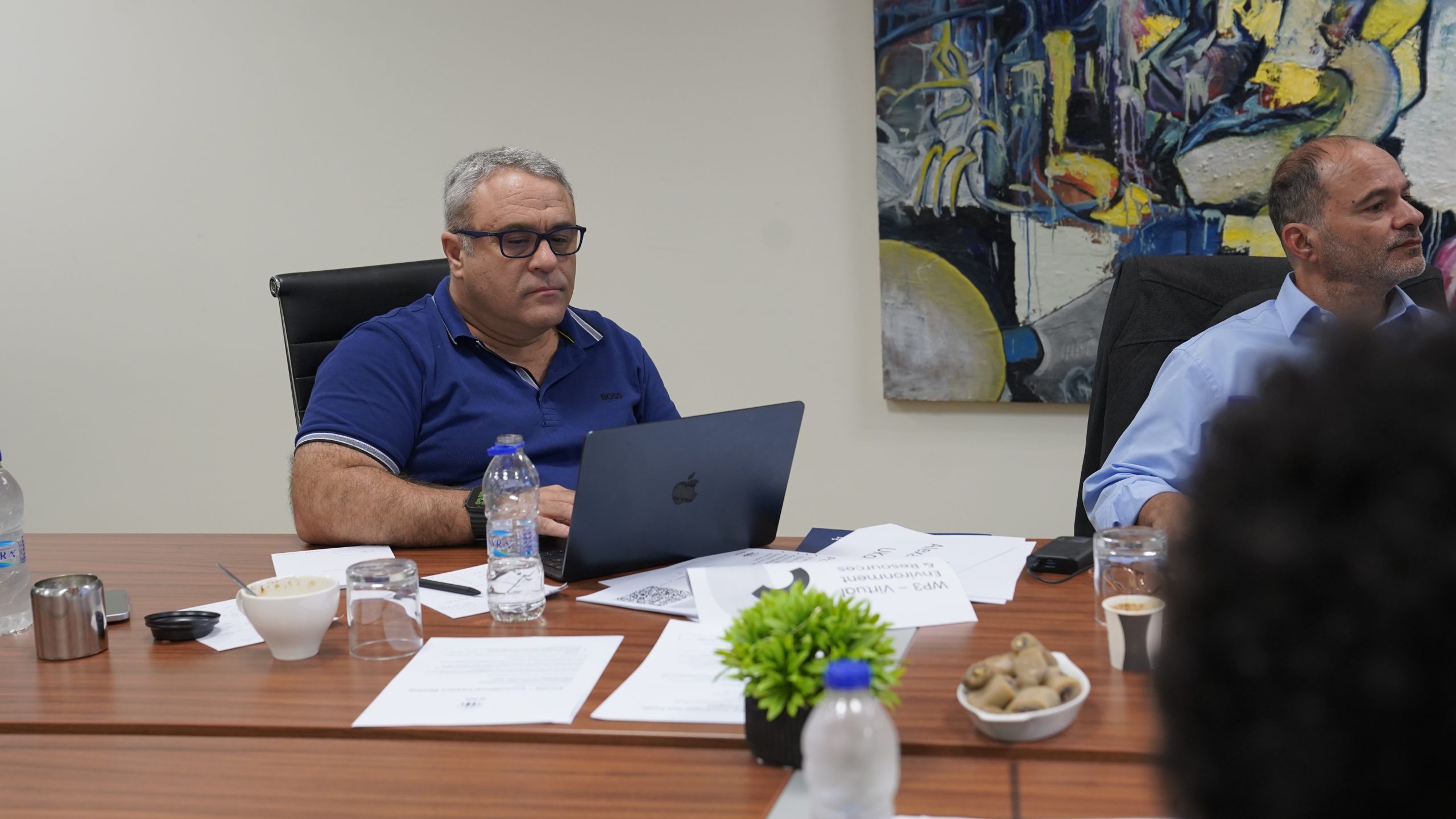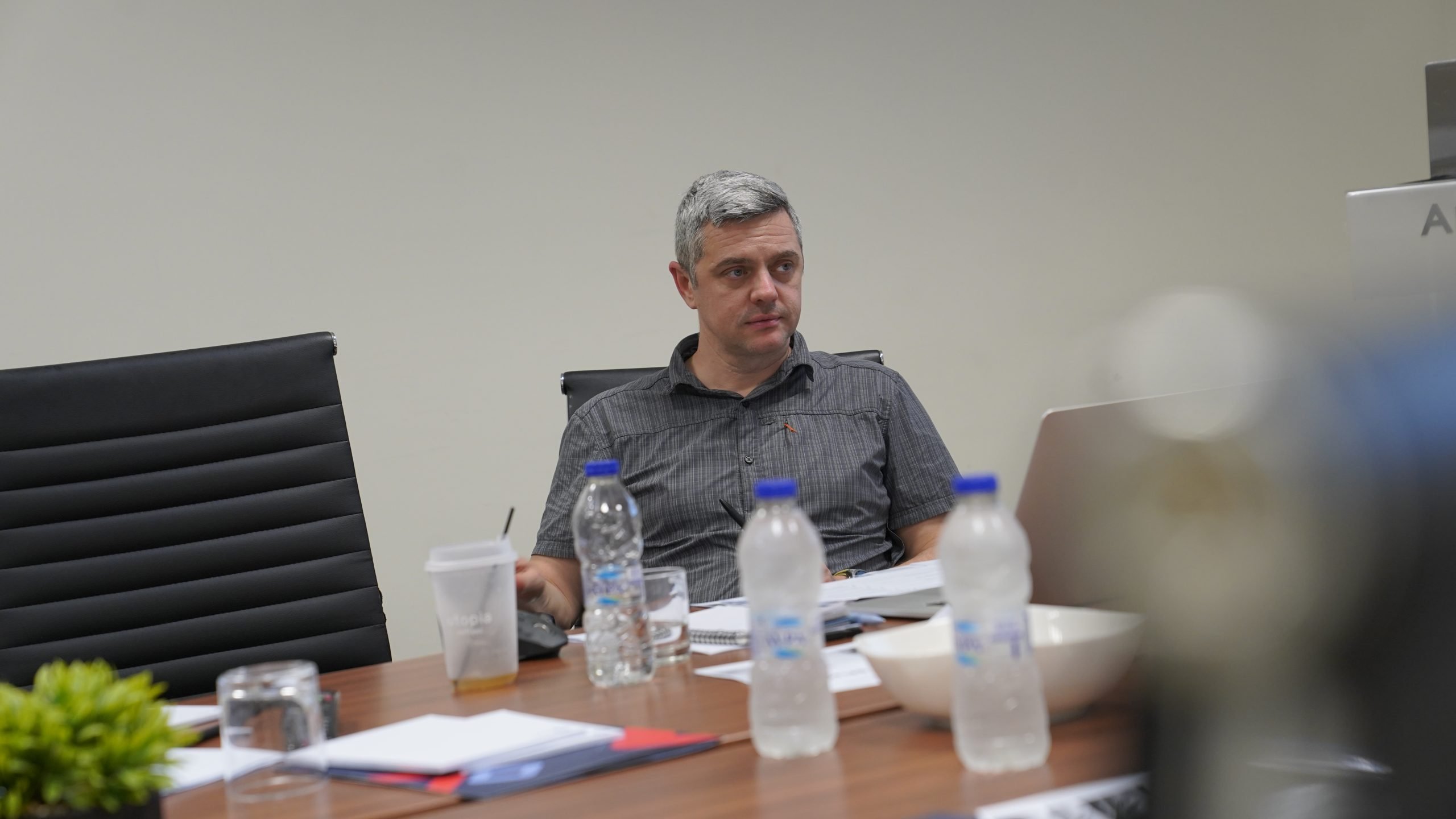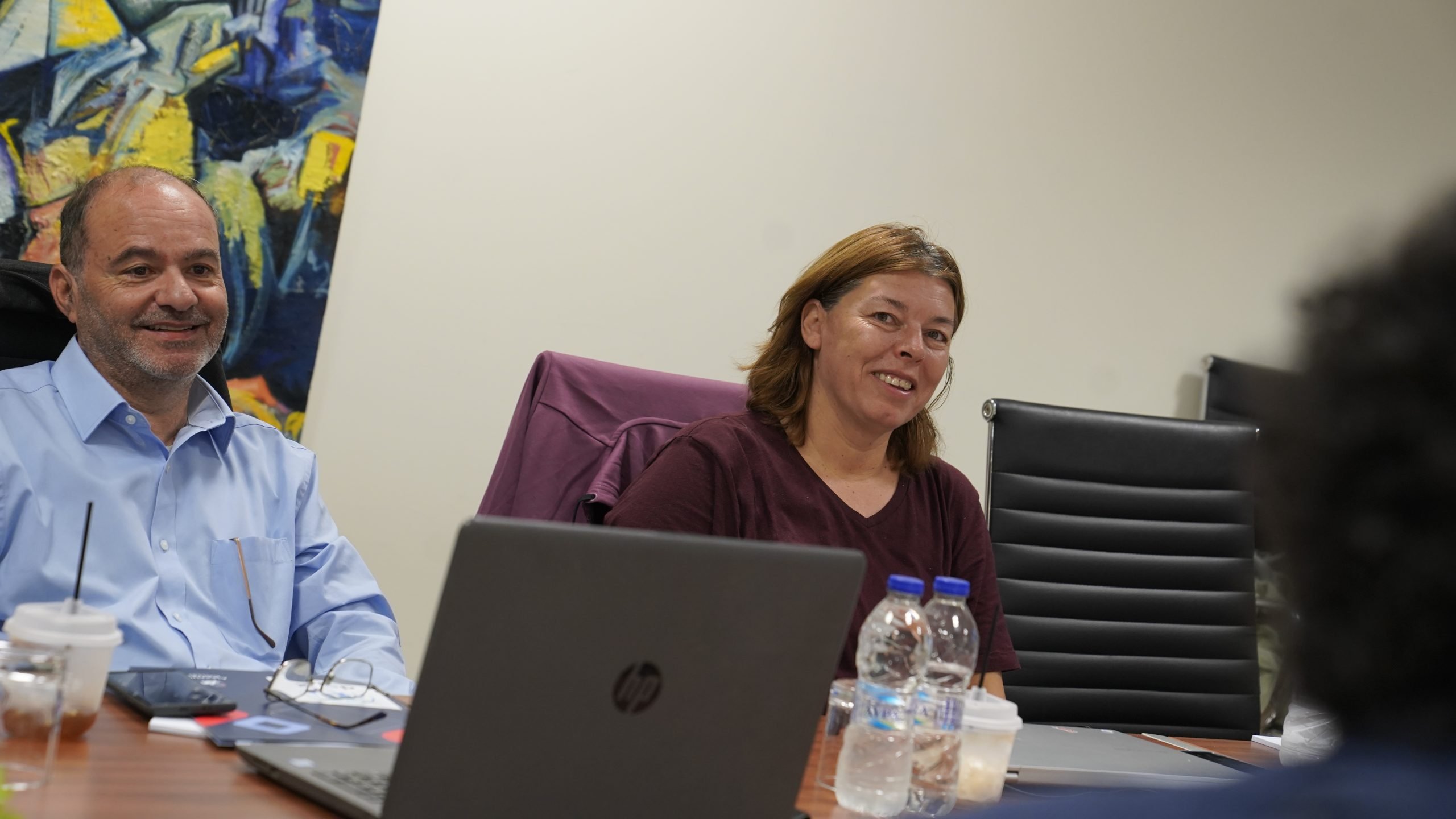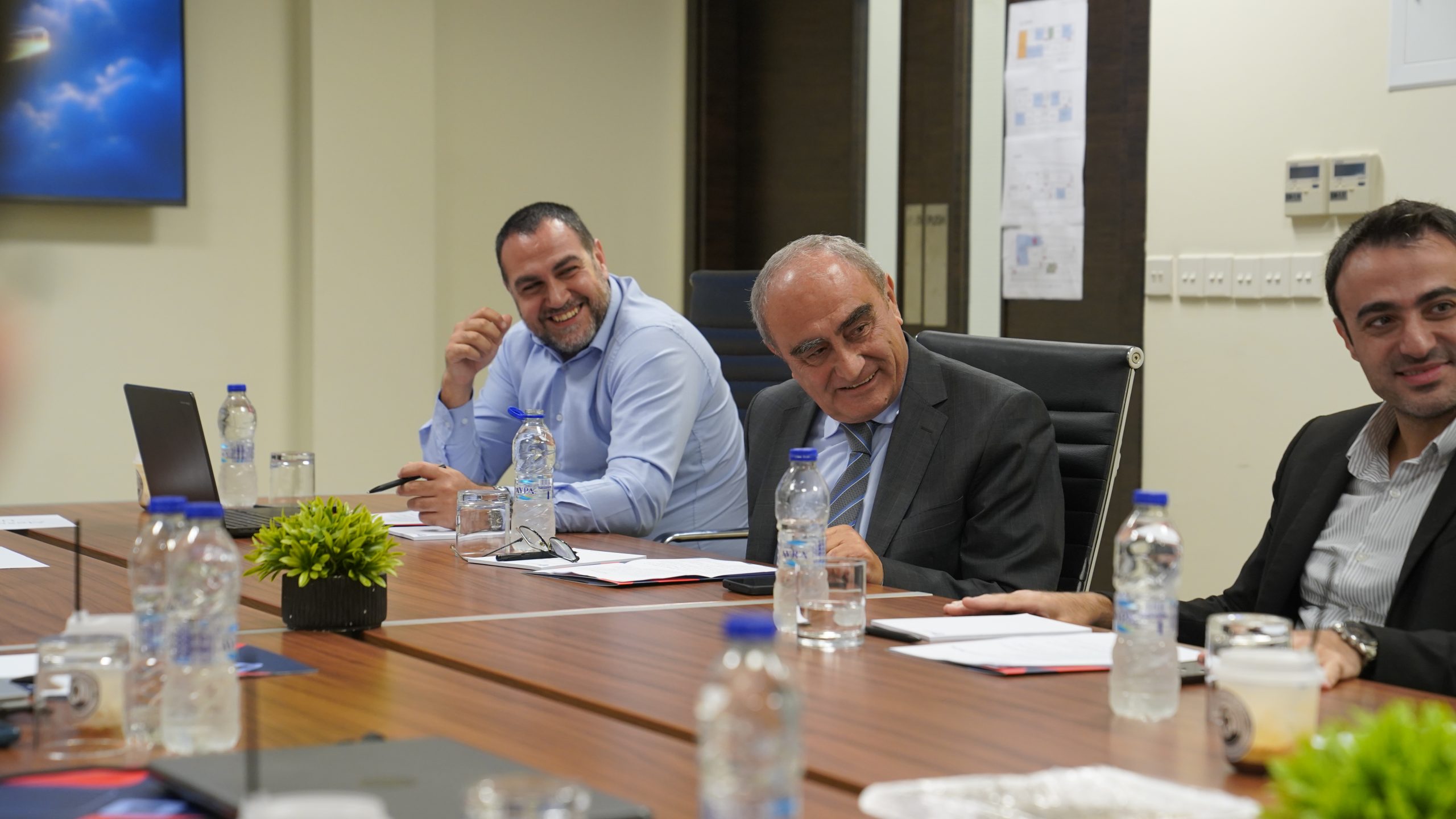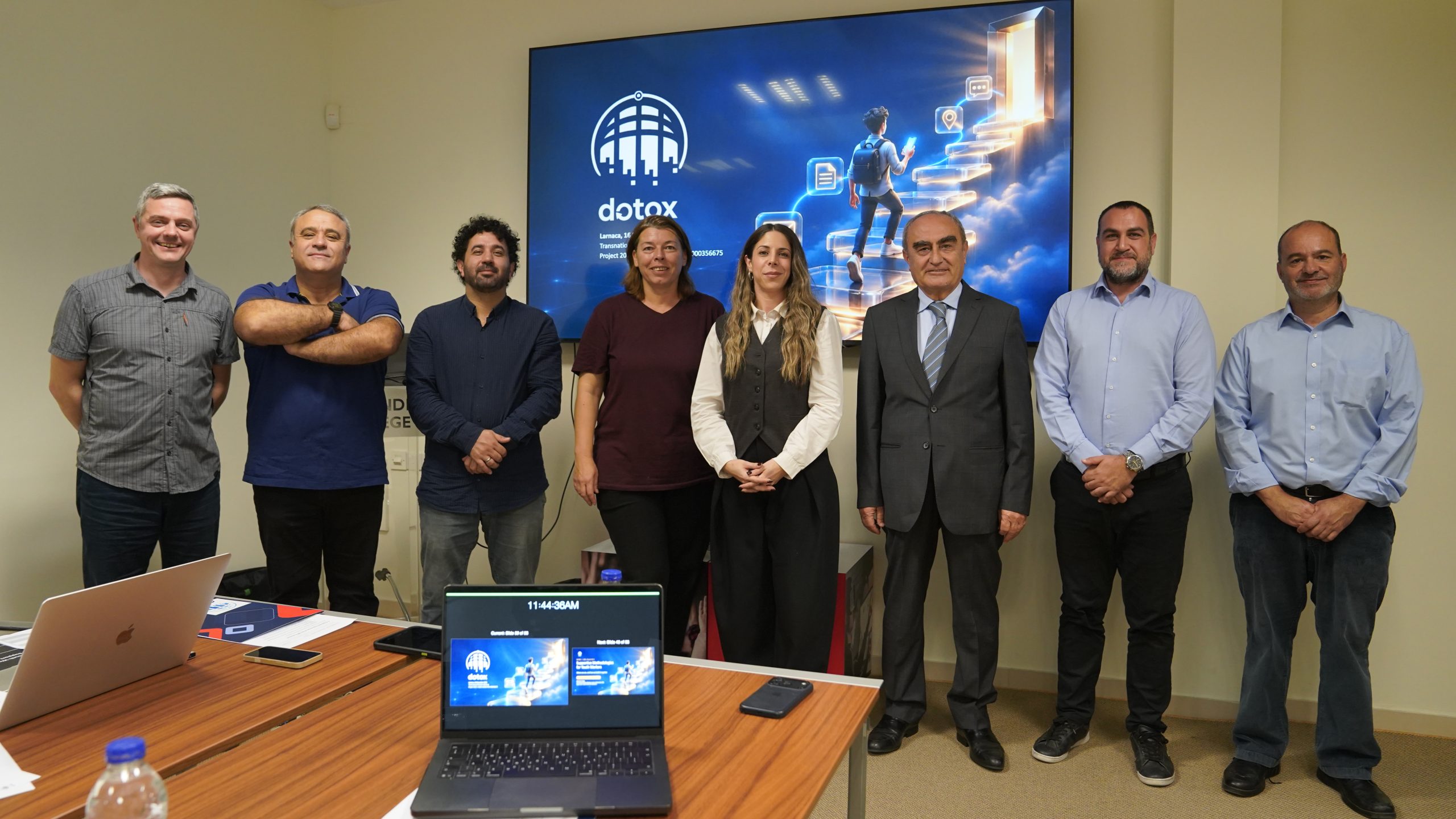
On 16-17 November 2026, Alexander College successfully hosted the 2nd Transnational Project Meeting of the EU-funded Erasmus+ project DOTOX – DO it digital skills fOr eX-prisoners in Cyprus, bringing together project partners for two days of discussions, collaboration and knowledge exchange.
The meeting focused on the development of the project’s training curriculum and the exploration of supportive methodologies for trainers, with the aim of strengthening the digital skills, confidence, employability and social participation of young people with experience of imprisonment or the justice system, while promoting social inclusion and creating new opportunities for successful reintegration.
Over the course of the two-day meeting, partners exchanged ideas, shared experiences and strengthened their collaboration towards developing effective learning opportunities tailored to the needs of the project’s target group.
A key part of the discussions centred on developing a training curriculum for participants, alongside identifying supportive teaching approaches and practical tools to help trainers deliver inclusive and engaging learning experiences.
During his welcoming speech, Professor Metanios Halabi, President of Alexander College, highlighted the importance of digital inclusion and the role of education in supporting individuals as they rebuild their lives and reconnect with society.
As he noted:
“A Europe that believes in second chances, and a society that knows that dignity is not erased by a conviction. To train people in digital skills is to give them back their autonomy.”
He further emphasised the importance of creating a more inclusive society where everyone has the opportunity to learn, grow and rebuild their future.
The President also highlighted the broader social responsibility of educational institutions, noting that education should extend beyond traditional learning environments and help make knowledge accessible to those who may otherwise be left behind.
Through DOTOX, Alexander College and its European partners are working together to bridge the digital divide, equip young people with experience of imprisonment or the justice system with essential digital skills, and create pathways towards greater independence, employability and social and professional reintegration.